
The Case for Awnings
Why our homes are overheating and how to fix it

We’ve all been there. It’s 3:00am during a summer heatwave, and your bedroom feels like an oven. You’re wide awake, dreading the alarm in a few hours, and know that no amount of iced coffee can fix your day to come. Oh, and it’s going to be hot again tomorrow. Yay!
People don’t usually associate red hot weather with famously grey Britain, but it’s here. In 2022, temperatures exceeded 40°C for the first time ever. I was there, broiling in my west facing flat, and it sucked! Then 2025 came along and was the hottest year on record. It wasn’t the kind of headline provoking heat from years past, but instead a reliable stream of warm days. In fact, I checked the weather records - across June, July, and August last year, there were 45 days above 25°C in London!
The heat is hard to deal with when there’s little infrastructure to support. The UK isn’t the hottest country in the world, but it is one of the least prepared for heat. Our homes were historically designed to keep heat in, not out. While three days above 25°C is technically a heatwave, many of our homes begin to fail the overheating test long before that. For the elderly, children, pregnant, or those with underlying health conditions, heat preparedness is a matter of health. New architectural principles must be embraced as climate change intensifies.
There are growing calls to action to retrofit homes against overheating at a local and national level. Mayor Sadiq Khan launched the London Climate Resilience Review, NAP3 calls for capital investment in climate adaptation for the built environment, and the House of Commons Environmental Audit Committee paper calls on local authorities to prioritise retrofitting homes for overheating using passive measures.
The problem exists, the impetus is there, so where are the actual practical solutions?
The science of external shading: Why your curtains are failing you
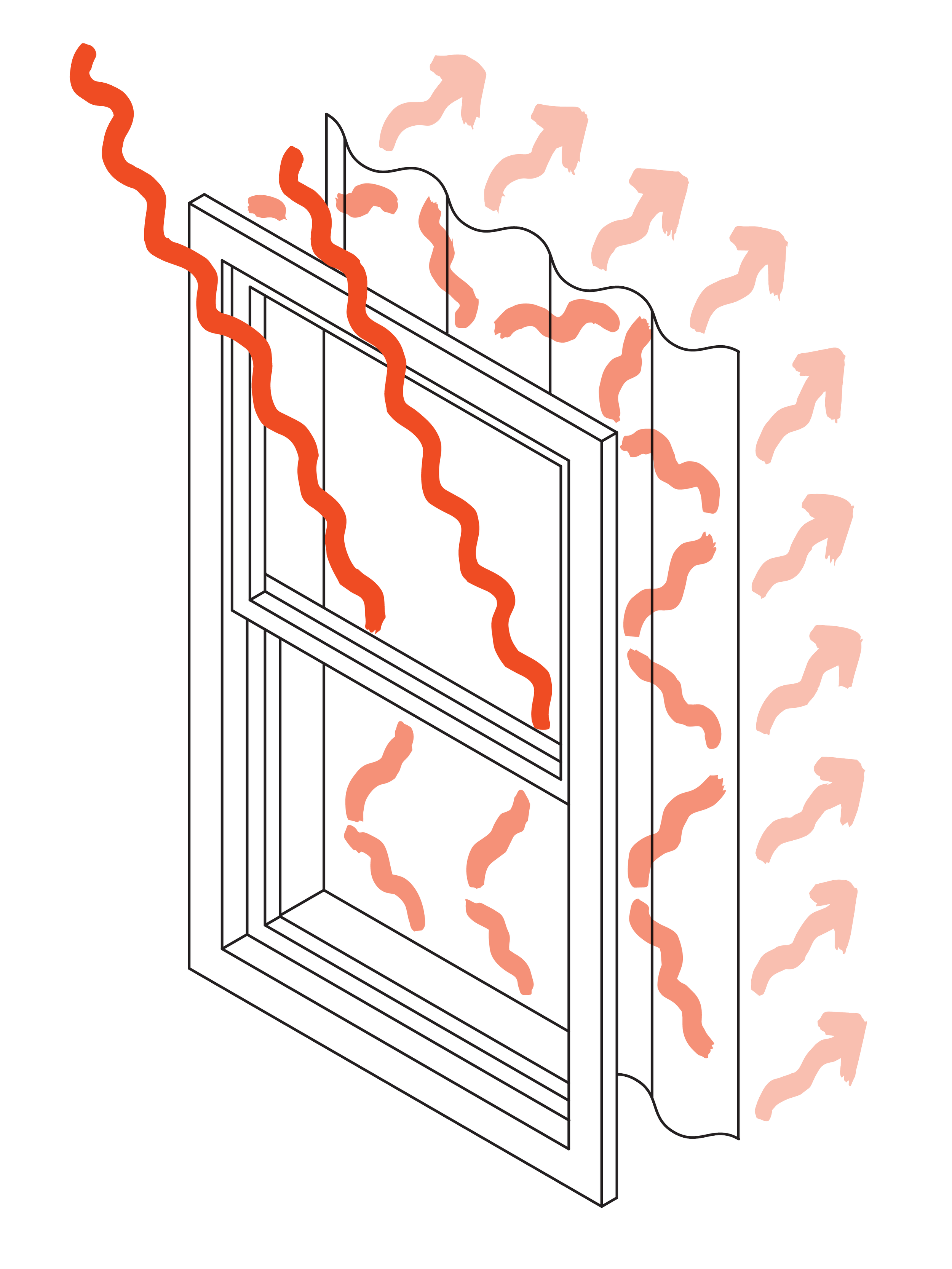
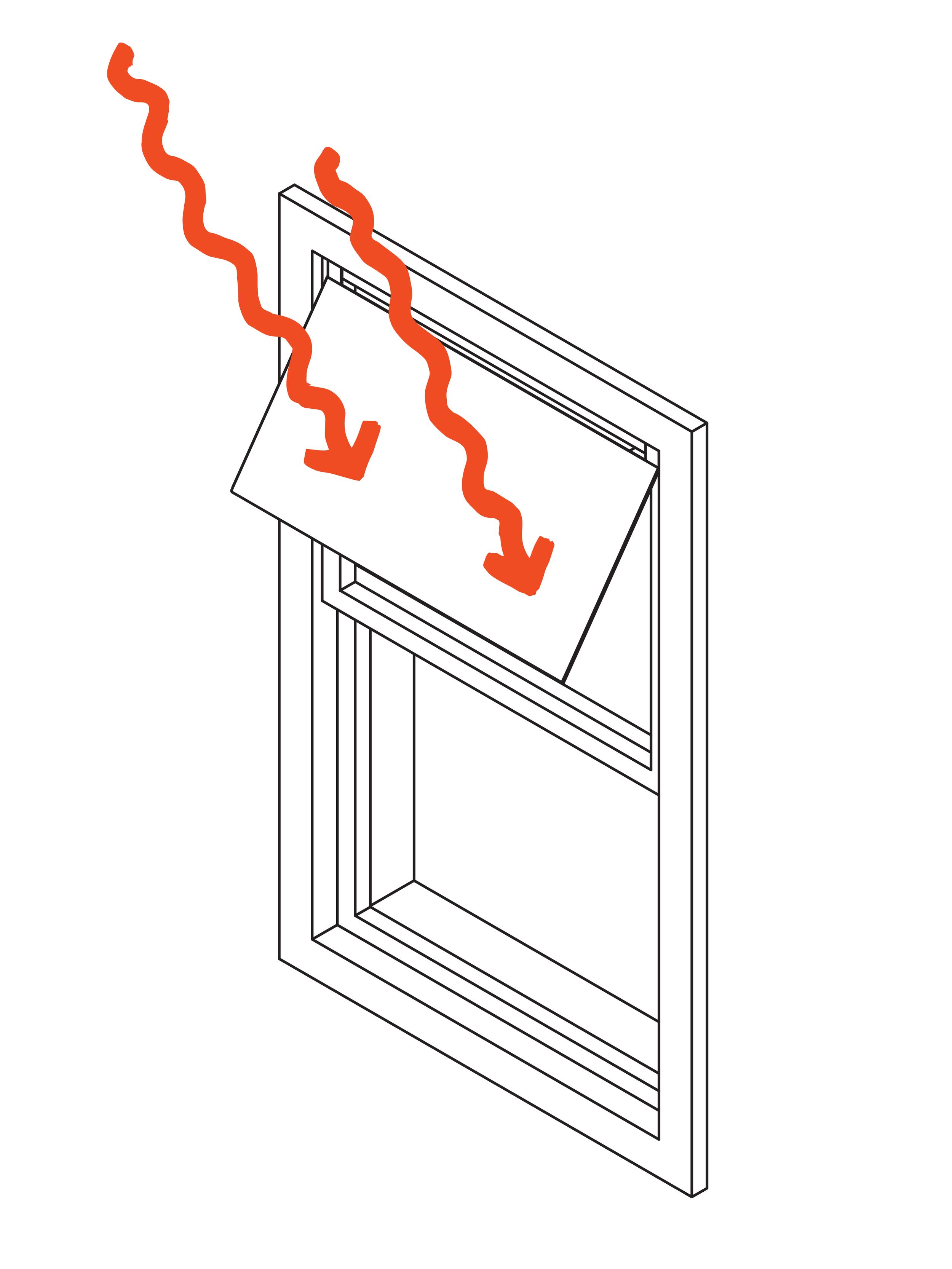
The standard UK advice during a heat wave is to "keep the curtains shut". I think this is bad advice - or at the very least unimaginative advice. While curtains help with glare, they don’t do much to stop heat from building up. By the time the sun hits your curtains, the heat has already passed through the glass of the window and is trapped inside. A miniature version of the Greenhouse Effect is taking place inside your home!
You need to stop the heat before it hits the window. It sounds really simple, but blocking the sun is what makes external shading the most effective passive cooling method available, and is the reason why shade should be the first line of defence in hot weather. While the concept of shade is gaining traction in the UK, with amazing organisations such as Shade the UK and Heatwave Toolkit promoting its benefits, it is still mainly theoretical in practice.
We all know Mediterranean countries have solved the issue of solar gain using external shade. So I fancied a tour of Europe on Google Maps to gather visual evidence. Barcelona, Athens, Naples…for all of the southerly usual suspects, the buildings were of course lined with window awnings and shutters.
What about somewhere a little more north? I flew over to my Dad’s hometown of Vlaardingen in the Netherlands, which shares the same latitude as London. I found awnings, and a decent number of them! I panned even more north. Gothenburg - surely they don’t need shade there?? Nope, even the Swedes approaching 60° on the globe use awnings.
The installation gap: If awnings are so effective, then why don’t we use them in the UK?
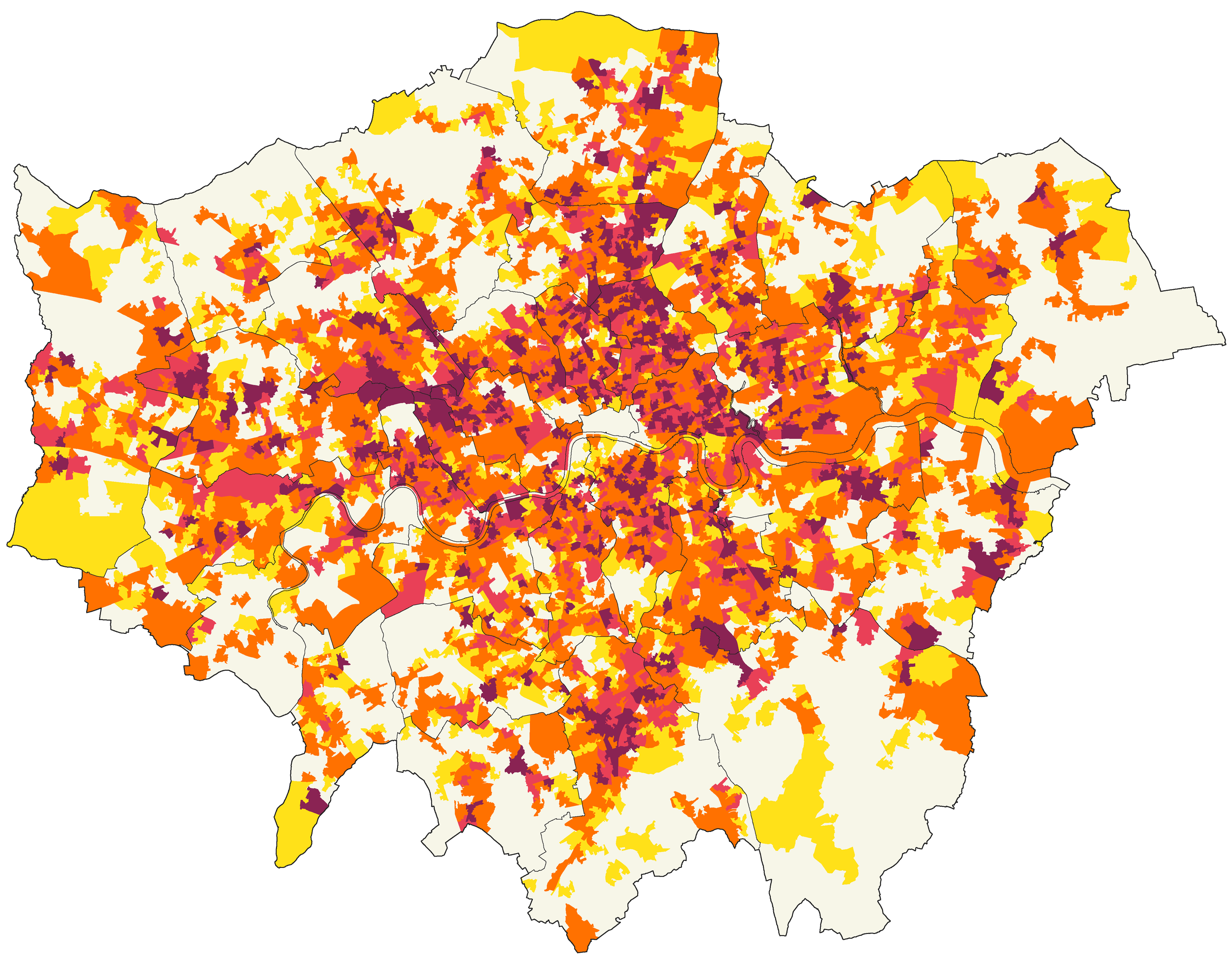
London residential properties vulnerable to heat (source: GLA / ARUP)
This one’s a head scratcher! Something as simple as a layer of fabric between the sun and your window, ubiquitous across Europe, yet nowhere to be seen on these British Isles.
I put it down to a combination of things: prolonged and intense heat being a new phenomenon in Britain, the existence of heritage constraints (although there is a forgotten legacy of awnings in the UK), and a lack of sufficient awareness of passive cooling solutions.
These are all huge factors, but the biggest constraint is, in my view, a lack of viable, accessible products that suit today’s context.
So what is today’s context? In London, a city of 9 million people and nearly 4 million households, the tenure breakdown of homes is as follows: 51% owner occupied, 28% privately rented, and 21% socially rented (source: GLA). That’s nearly 2 million households who rent and may not have the agency to adapt their own home.
Traditional shading products don't serve these people. They require permanent external anchoring to the building facade (a non-starter for renters) and can cost thousands of pounds to install at height. They're typically made to measure or offered in a frustratingly limited range of sizes, and in many cases require planning permission, particularly in conservation areas. The result is that half of city dwellers are effectively excluded from the market before they've even started shopping.
There is a lot of chatter around the need to retrofit and adapt to climate change, yet we are left to choose between expensive shading products that are seemingly impossible to install, energy-intensive air conditioning units, or nothing at all!
Designing to democratise access to shade
Cue Shaded…
With a problem defined, and with personal experience renting an uncomfortably hot second-floor flat, I set out to design a product for the modern urbanite.
The brief was simple: tool-free and renter-friendly, installed and removed from inside the room in minutes with no external anchors or drills. One-size-fits-all, because the windows in my living room are 1.2 meters wide but the one in my bedroom is only 1 meter - could the same product work for both? And science-led, meaning it had to actually result in a noticeable difference in internal room temperatures.
The sash window turned out to be the key to everything. Pull the top sash down to near eye level and you have a secure, accessible fixing point without ladders or scaffolding. A C-clamp on either end of the window does the job, and with a flat bar construction, the clamp arms double as the awning's support structure. Slide them to whatever width your window requires, fold the excess fabric neatly over, and you have a single product that fits almost any sash window.
Projection size was the final puzzle. Without the two lower fixing points of a traditional awning bracing back to the facade, a large canopy would put too much strain on the system, especially in wind. So I brought in the fine people of Climate Cartographics, who ran hundreds of simulations to find the sweet spot. For south-facing windows, meaningful solar gain reduction starts to plateau at around half a metre of projection. This set the projection length - effective enough to make a real difference, compact enough to preserve your daylight, your view, and match the wind resistance rating of other awnings on the market.
The sustainable choice in multiple senses
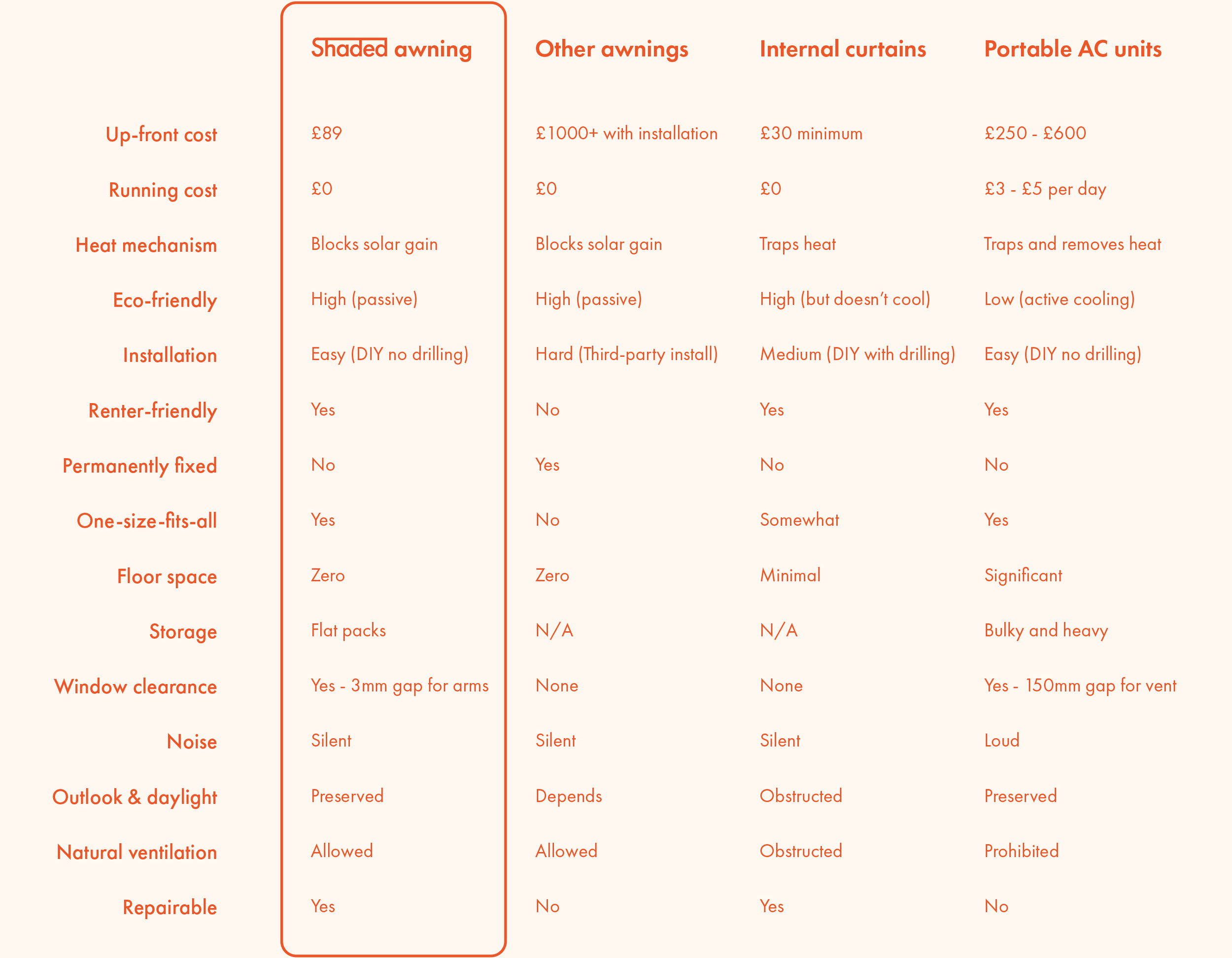
So what's actually on the table? When you line up every realistic option for keeping a home cool - other awnings, curtains, portable AC - the picture becomes clear quickly.
Curtains obstruct your view and ventilation, and as we've established, are fighting the battle in the wrong place entirely. Portable AC units cost hundreds of pounds upfront, then £3-5 every single day to run, and are loud, bulky, and quite literally pump heat back into the street while using massive amounts of energy from an already strained grid. Other awnings work on the same principle as Shaded, but require permanent external fixing, professional installation, and a budget north of £1,000.
At £89, Shaded makes external shading radically more accessible, reducing the cost and friction associated with traditional products. No running costs. Silent. Flat-packs for storage. Preserves your view, your ventilation, and your deposit. And when a part gets lost or you want to refresh the fabric, you replace the part, not the product, and can fix it yourself.
The case for awnings, and for passive cooling more broadly, has never been stronger. The UK is getting hotter. Our homes weren't built for it, and the solutions that exist are priced and designed for the few. Shade is ancient technology. It works everywhere else in the world. It can work here too. We just need products built for how people in this country actually live.